Fleet maintenance management involves overseeing all aspects of maintaining commercial fleet vehicles to ensure they are in optimal condition and fit for use. Overlooking this aspect of running a fleet puts your business at risk of compliance penalties, expensive repairs, and unforeseen interruptions that may affect the company’s bottom line.
Consistent vehicle upkeep requires establishing proactive and preventive measures to reduce downtime, potential accidents, and emergency repair costs. To achieve this, you need advanced technological tools that will simplify the process.
The core functions of fleet maintenance management
The purpose of fleet maintenance management is to ensure a well-structured maintenance program that extends the fleet’s lifespan, enhances reliability, and boosts operational efficiency. This is done in the following ways:
Preventive maintenance and scheduled servicing
Preventive maintenance refers to a strategy that involves following service schedules and performing inspections to detect potential issues before they cause breakdowns. This approach ensures that vehicles remain in good condition and reduces the chances of unexpected breakdowns and sudden major repair costs.
Managing breakdowns and emergency repairs Managing emergency breakdowns requires quick thinking, clear communication, and efficient processes. Fleet managers must develop and communicate clear procedures for drivers to follow in the event of a breakdown, such as who to call, relevant documentation, and safety actions. All incidents are documented and analysed to identify trends and preventable failures.
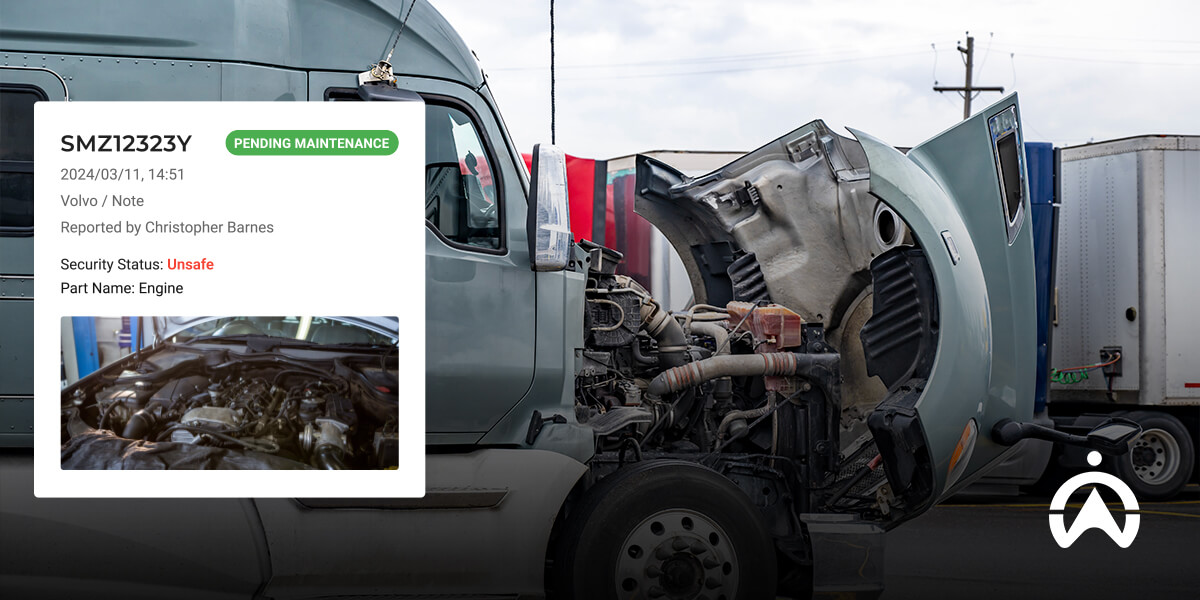
Monitoring vehicle performance and diagnostics Digital solutions highly drive modern-day fleet maintenance. Telematics technology allows you to get real-time diagnostics on vital things such as engine health, brake conditions, and fluid levels. This powerful tool reports vehicle failures before they worsen, allowing fleet managers to take action quickly.
Data-driven decision-making using telematics
Fleet maintenance systems also track vehicle mileage, fuel usage, and service history, giving you greater insight into vehicle usage and performance, so you can optimise fleet utilisation and ensure proper resource allocation.
What does a fleet maintenance manager do to boost maintenance operations?
The role of a fleet maintenance manager is to oversee the maintenance and repair operations of a company’s vehicle fleet. He/she needs to ensure that all vehicles are operating safely, efficiently, and in compliance with all relevant regulations.
Is a fleet maintenance manager’s work stressful?
The role involves managing a team of mechanics and technicians, scheduling regular maintenance, coordinating repairs, maintaining accurate records, and implementing cost-effective strategies to boost fleet uptime and reduce expenses.
They also have to manage budgets for parts, labour, and external services; source and negotiate with vendors for parts and services. Furthermore, they also need to train staff on maintenance procedures and safety protocols.
The difference between fleet management and fleet maintenance
Fleet management and fleet maintenance are related, but distinctly different concepts within vehicle operations. Fleet management encompasses all aspects of managing a fleet. Fleet maintenance management, on the other hand, only covers one aspect of fleet maintenance, which is vehicle health and performance.
Here’s a quick breakdown of the key differences between fleet management and fleet maintenance:
High-level vs. day-to-day vehicle care: Fleet managers operate on a high level, overseeing everything that involves the fleet. They analyse a wide range of data to boost overall efficiency and reduce costs. Fleet maintenance is focused on the day-to-day upkeep of the vehicles. This includes vehicle inspections, record keeping, and inventory management.
Broader scope of fleet management: It includes tasks such as assigning vehicles to operators, tracking vehicle usage and maintenance, monitoring vehicle locations, and planning routes.
Where the two intersect: The two functions meet when it comes to cost control and efficiency; both use telematics systems to gain insight into the fleet, and they collaborate in reducing operational costs and overall safety and compliance.
Invest in smart maintenance tools from Cartrack
Unforeseen vehicle breakdowns can cause severe disruptions to the workflow, which may result in delays, missed deadlines, client dissatisfaction, and increased expenses. From the above case study, you can already see the significant impact a good fleet management system makes on the business. Cartrack specialises in everything related to fleet management and gives you insight into your fleet, all from one platform.
Have a look at our top features for maximising your fleet’s health:
Real-time engine diagnostics The Cartrack Canbus system enables real-time communication between various vehicle components. Through this, you can receive alerts for engine faults, water fluctuations, worn-out brakes, and other diagnostics.
This ensures that you know of any issues regarding vehicle components and address them before they become severe. By investing in this tool, you minimise the chances of costly unexpected breakdowns, which may lead to delays and downtime.
Preventative maintenance scheduling Receive maintenance alerts based on real-time odometer readings or last service dates. This keeps you up to date with when the next vehicles need to go in for servicing, so you can properly plan trips based on those that will be available for use. Through this feature, you address concerns such as tyre replacements before they catch you off guard.
Digital maintenance records Our fleet system helps you store, record, and update maintenance-related activities digitally so you can have easy reference and convenient reporting.
Driver monitoring reports Fleet maintenance is also about ensuring that carefully operated. Through the Cartrack telematics system, you will receive alerts on driving habits that increase the chances of vehicle wear and tear, such as sudden braking, excessive acceleration, speeding, and harsh cornering. This allows you to address the behaviours with drivers and educate them on their impact.
Ensure your fleet is always in tip-top shape! Contact us today, and speak to one of our fleet consultants.
Frequently Asked Questions about fleet management and maintenance
What is the role of fleet service?
Fleet services are resources offered by some leasing and management companies to help them streamline, maintain, and manage their business. The role involves vehicle selection, fleet acquisition, obtaining the right insurance, maintenance, managing fuel costs, keeping up with license requirements, equipment leasing, compliance, and data analysis.
What is the role of maintenance in fleet planning?
Planning for your fleet’s maintenance ensures that your business remains reliable and there will be fewer chances of unforeseen downtime. It also controls the cost of repairs and replacements, as you will already know beforehand, instead of using money that was never budgeted for.
What is the primary aim of fleet management?
The primary aim of fleet management is to improve the fleet’s efficiency and productivity, enhance driver safety, and reduce the overall operational costs in order to boost profits. The best way to do this is by capitalising on fleet management software to gain insight and make better decisions.
What is asset management in maintenance?
While it is commonly known for fleet maintenance to be associated with vehicles, the term fleet may also refer to a group of equipment, machinery, and assets that require maintenance. Examples of this include excavators, bulldozers, and cranes. Asset management in maintenance is a proactive approach to optimising a company’s assets.
What is the role of a fleet workshop manager?
A fleet workshop manager is responsible for monitoring and controlling expenses related to labour, parts, and equipment. Identify opportunities for cost savings and efficiency improvements. He/she must drive efficiency and productivity within the workshop.
Other articles for you
Truck Leasing for Start-Up Businesses – What You Need to Know
Blog
7 minute read •
Leasing trucks to start-up businesses is proving to be a very lucrative opportunity. Many new businesses are desperate for trucks, but are often being barred from getting them because of strict bank specifications. We’re seeing a preference for leasing trucks instead of owning them, because the benefits seem to outweigh the drawbacks. Namibian businesses, especially smaller […]
Get AI Cameras for Seatbelt and Phone Detection for Drivers
Blog
7 minute read •
Getting AI cameras for seatbelt and phone detection for drivers is the perfect way to transform safety protocols in your fleet. AI detection can monitor poor driving habits, alert drivers so they can quickly correct their actions, and keep records of offences so you can coach your drivers if they repeatedly commit them. Namibia recorded 2,793 road crashes, […]
Your trucks work hard to travel long distances, carry heavy loads, and traverse roads that are often treacherous & damaged. Looking after your trucks is a wise investment that’ll pay you back in productivity and lower overheads, but only if you know what condition they’re in at all times. The trucking and logistics sector plays a vital role in […]
 South Africa
 Botswana
 Kenya
 Malawi
 Mozambique
 Nigeria
 Swaziland
 Tanzania
 Zimbabwe
 Hong Kong
 Indonesia
 Singapore
 Malaysia
 Philippines
 Thailand
 New Zealand
 Vietnam
 Poland
 Portugal
 Spain
 United Arab Emirates